Are padel courts profitable? For many clubs and investors the answer is yes, but profitability depends on how many courts you build, how often they are booked and how well the facility is run. Padel is one of the fastest-growing sports in the UK, and demand for courts often runs ahead of supply. This guide explains the economics of a padel club, the key numbers to include in a business plan and how many courts you need to make the project work.
How does a padel court make money?
A padel court generates income in several ways, and the most successful clubs combine them rather than relying on bookings alone. Court hire is the core revenue stream, usually charged per hour per court, but coaching, memberships and events can add a significant share of annual income. Each stream depends on the same thing: players coming back week after week.
- Court bookings. Hourly hire, with higher prices at peak times and lower rates off-peak.
- Coaching. Group and private lessons, junior programmes and clinics.
- Memberships. Regular income in exchange for priority booking or lower rates.
- Leagues and events. Tournaments, social sessions and corporate events.
- Other services. Equipment hire, a shop or a café in larger venues.
The more of these streams a club can offer, the more stable its revenue becomes over the year, and the faster it can reach its break-even point.
What drives padel court profitability?
Padel court profitability comes down to a simple model: number of courts, multiplied by the hours they are open, multiplied by occupancy and the average price per hour. Many operators build a basic profit calculator in a spreadsheet using these figures, then subtract fixed and operating costs to see how much profit the club can generate per day, per month and per year.
The key variables to understand are these:
- Occupancy rate. The share of available hours that are actually booked, especially during peak evenings and weekends.
- Pricing. Hourly rates set against the local market and the quality of the facility.
- Opening hours. Good LED lighting extends playing time into the evening, when demand is highest.
- Fixed costs. Rent or land, staff, energy, insurance and maintenance.
- Investment. The cost of construction and how it is financed.
Getting these numbers right before you build is the best way to protect the project. Our guide on the cost of building a padel court in the UK covers the investment side in detail.
How many padel courts do you need to be profitable?
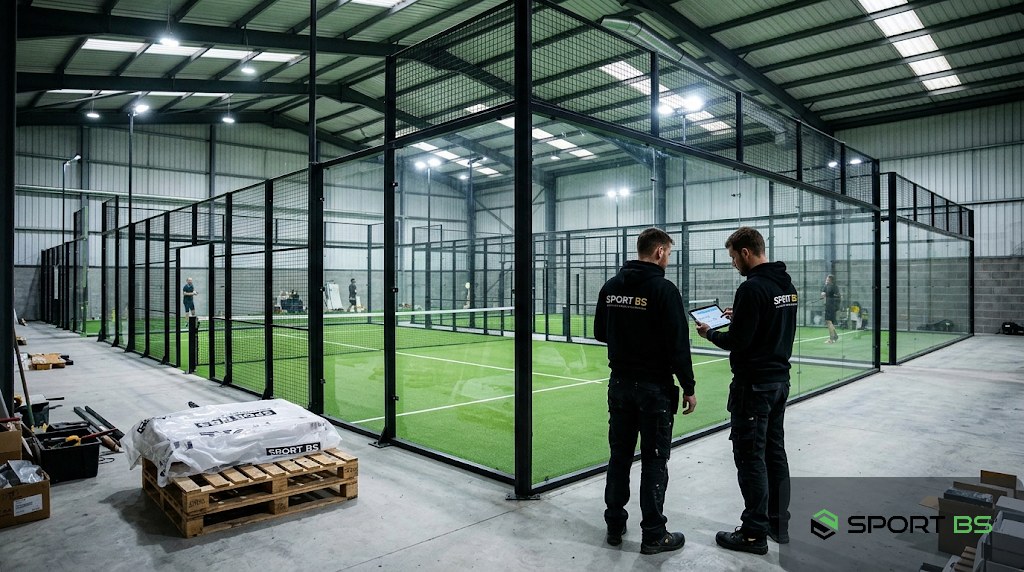
There is no single number that works for every site, but the number of courts has a direct effect on profitability. A single court can work well inside an existing tennis club, gym or hotel, where the fixed costs are already covered by the main business. A standalone padel facility usually needs more courts to spread its costs and offer enough availability at peak times.
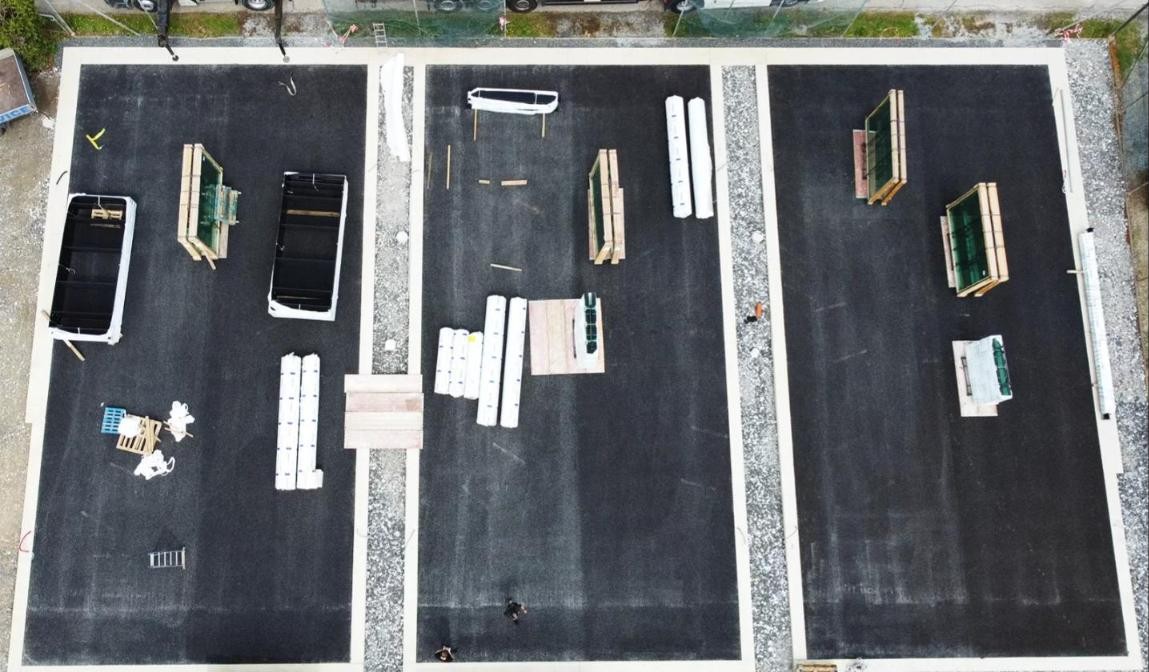
With two courts, a club can run doubles sessions side by side and start small leagues. Three or four courts allow coaching to run alongside open bookings without blocking players out. Six or more courts make it much easier to host events and tournaments, attract corporate bookings and build a strong membership base. Building several courts at once also lowers the average construction cost per court, which improves the return on investment from day one.
Is building a padel court a good investment?
Building a padel court can be a strong investment when demand, location and planning line up. The sport is easy to learn, sociable and played in doubles, so each booking brings four players to the venue. That makes it attractive for tennis clubs, leisure centres, hotels and developers looking for a new income stream from existing space.
The risk comes from poor planning rather than from the sport itself. A court that is hard to reach, badly lit or built to a low specification will struggle to keep players. That is why we supply the technical and pricing data operators need for their business plan, and why many clients arrange funding through their own finance providers before committing to the project.
Indoor or covered courts, which is more profitable?
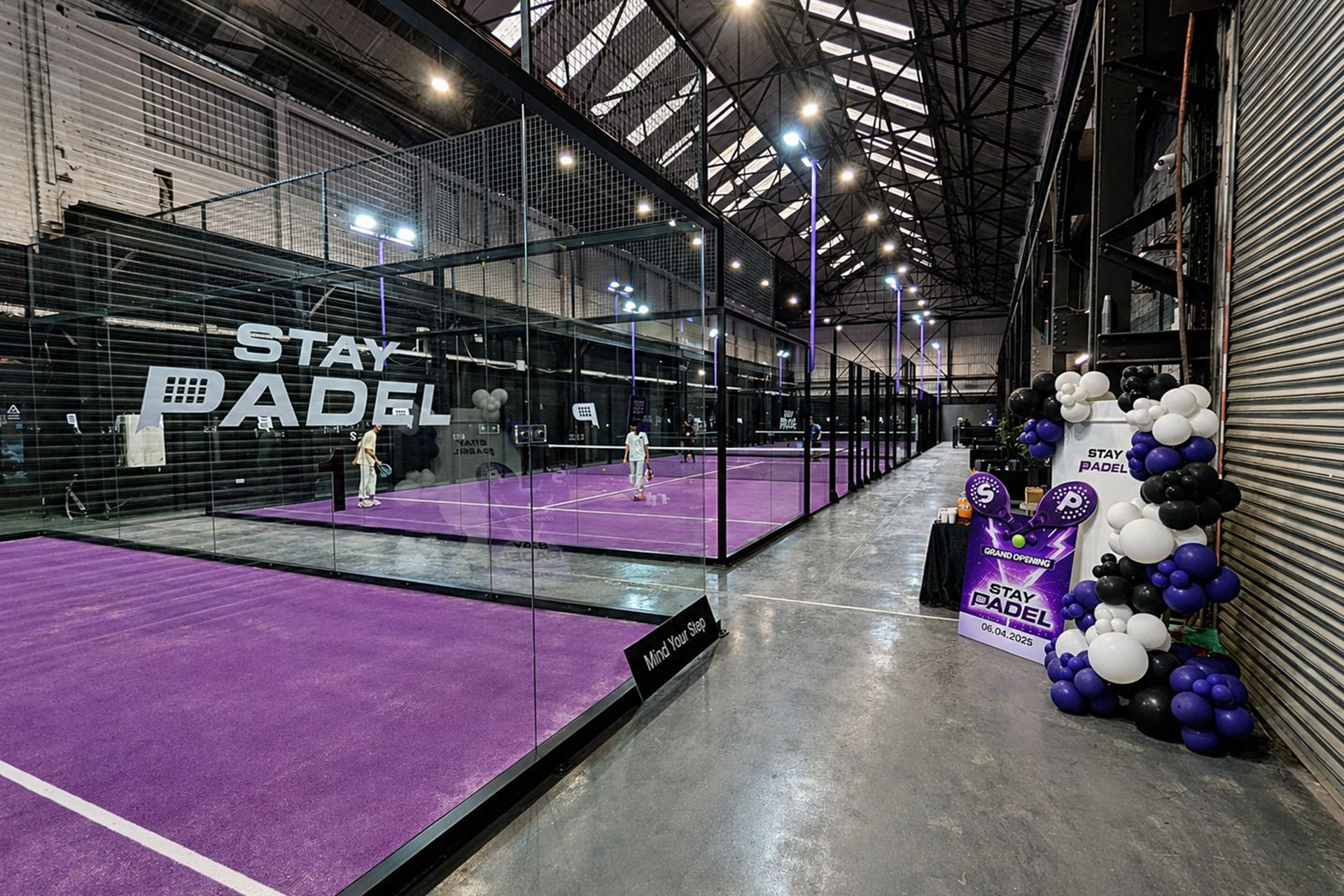
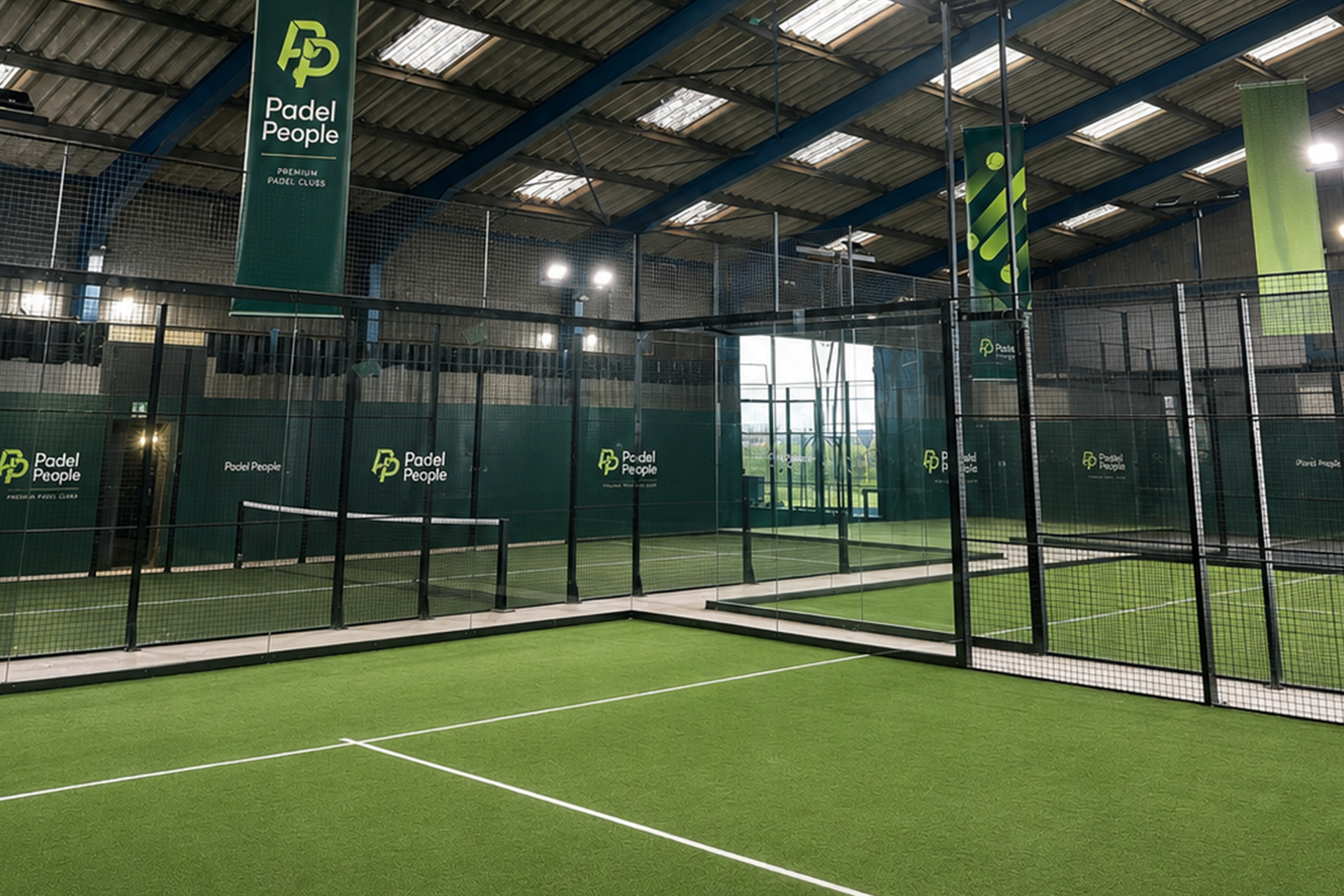
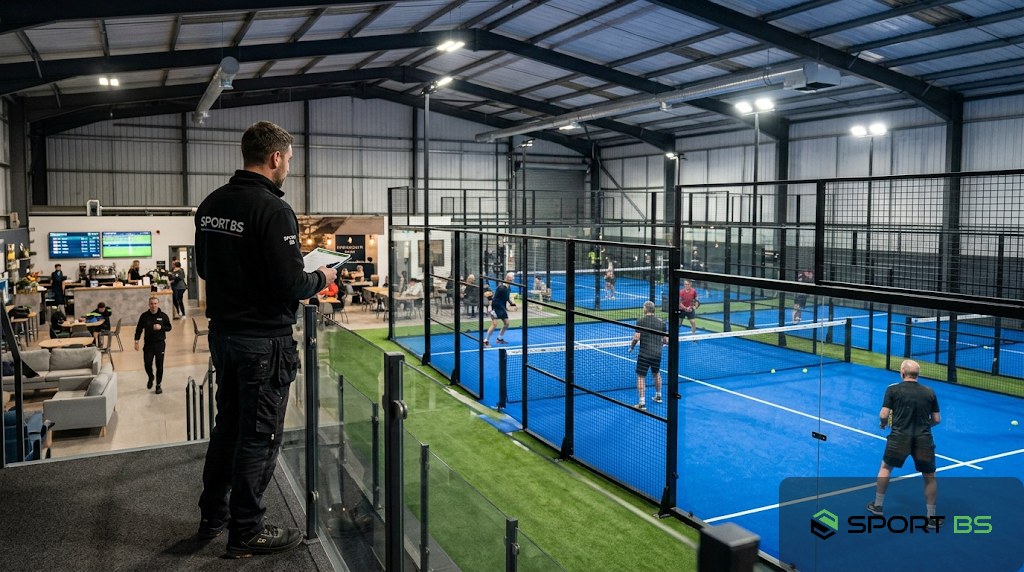
In the UK, indoor and covered courts usually perform better over a full year, because rain and short winter days do not stop play. Indoor padel courts built inside an existing warehouse or leisure centre are the most common type of project we complete in the UK, with examples in Manchester, Hull, Boston and Southwold. Outdoor courts cost less to build, but adding a canopy can protect bookings during the wetter months.
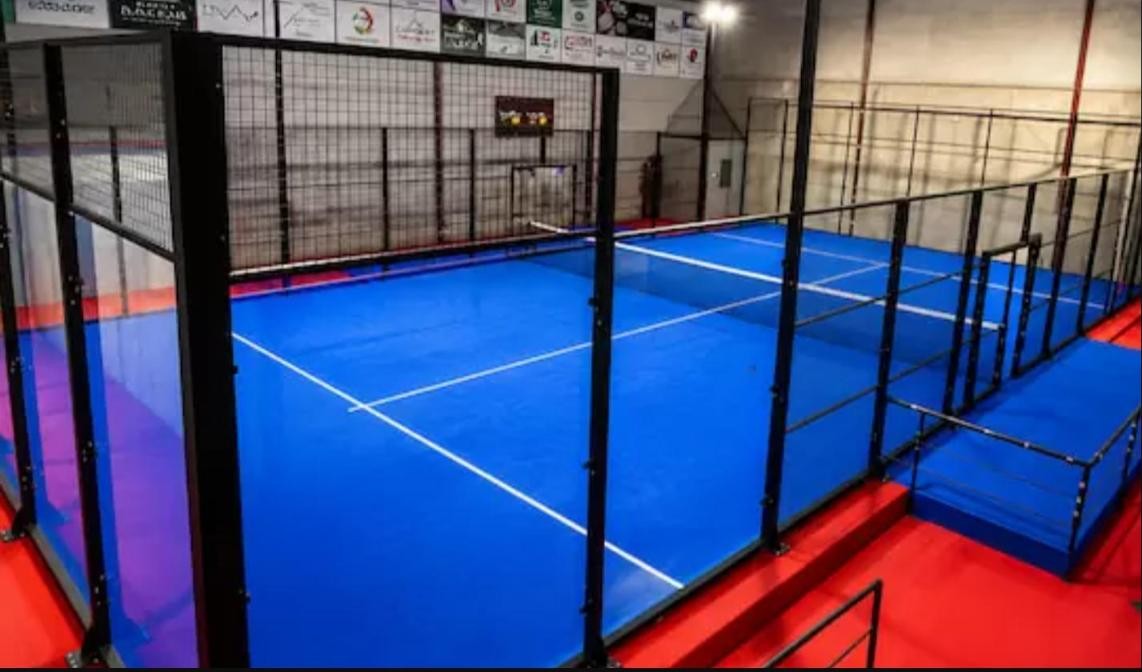
You can see how these venues were built in our padel court projects, or compare our Titan, Dream and Elite models in the padel court portfolio. Panoramic courts often help premium clubs charge higher rates and host events.
How can you make a padel club more profitable?
Once the courts are built, management makes the difference. Clubs that grow fastest use booking software that makes it easy to reserve a court online, set peak and off-peak pricing, and keep courts busy during quieter hours with coaching, leagues and social sessions. Many club owners share what works on YouTube and in online communities, and the same lessons come up again and again.
Quality also pays back over time. A well-specified court with consistent bounce, good lighting and reliable glass keeps players coming back and reduces maintenance costs. SportBS builds every court with our own UK-based installers, a five-year warranty and technical support after handover, so the court keeps earning for years.
Do you have more questions about padel court profitability?
These are some of the questions we hear most often from clubs and investors who are planning a padel project. For more answers, read our padel court FAQs or browse the guides on our padel court blog.
How much does it cost to build padel courts?
The cost depends on whether the courts are indoor or outdoor, the model, the glass, turf and lighting specification, the condition of the site and the number of courts. We send a written quote per court and for the full project, so you can put real figures into your business plan.
How long does it take to break even?
It depends on occupancy, pricing, costs and how the investment is financed. Clubs with high demand at peak hours, several revenue streams and controlled fixed costs reach break-even much sooner. Working through your own figures in a simple financial model is the best way to estimate it.
Can an existing tennis club add padel courts?
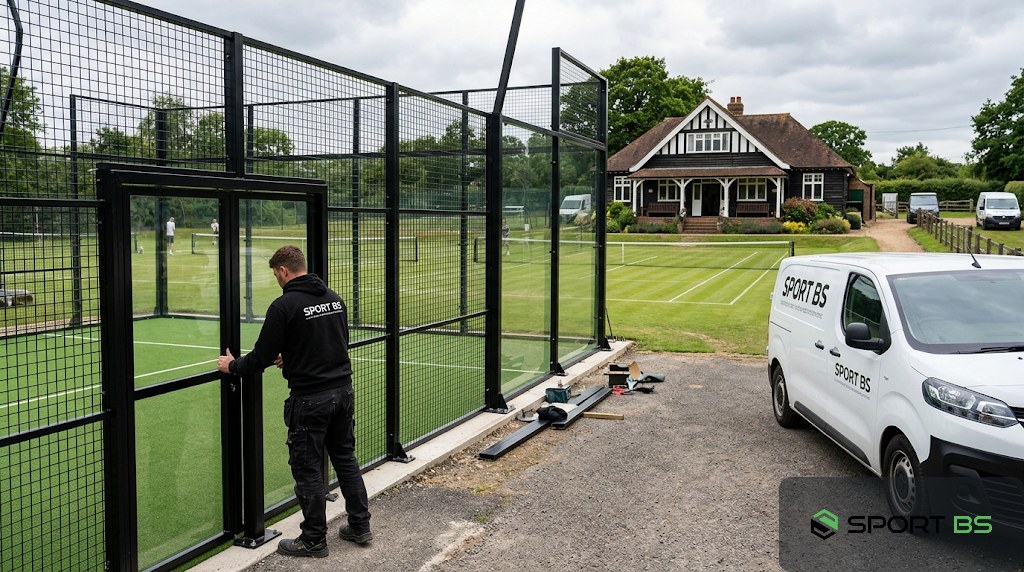
Yes, and it is one of the most popular routes into padel. Tennis clubs already have players, facilities and often space or a base that can be reused. Adding two or more courts can bring in new members and make better use of existing land.
Planning a profitable padel project?
Tell us about your venue, how many courts you are considering, whether they will be indoor or outdoor and where the site is in the UK. We will send a free written quote, the compliance pack and details of projects close to yours, so you can build your plan on real numbers. Contact us by phone, WhatsApp or the form, or learn more about our padel court installer service.