Padel court surface types decide how the ball bounces, how much grip players get and how much maintenance the court needs over the years. Most courts in the UK and around the world are built with artificial turf, but not every turf is the same, and some venues still ask about concrete or resin. This guide explains the main padel court surfaces, how to choose the right one for an indoor or outdoor court, and what it means for cost and performance.
What surface is a padel court made of?
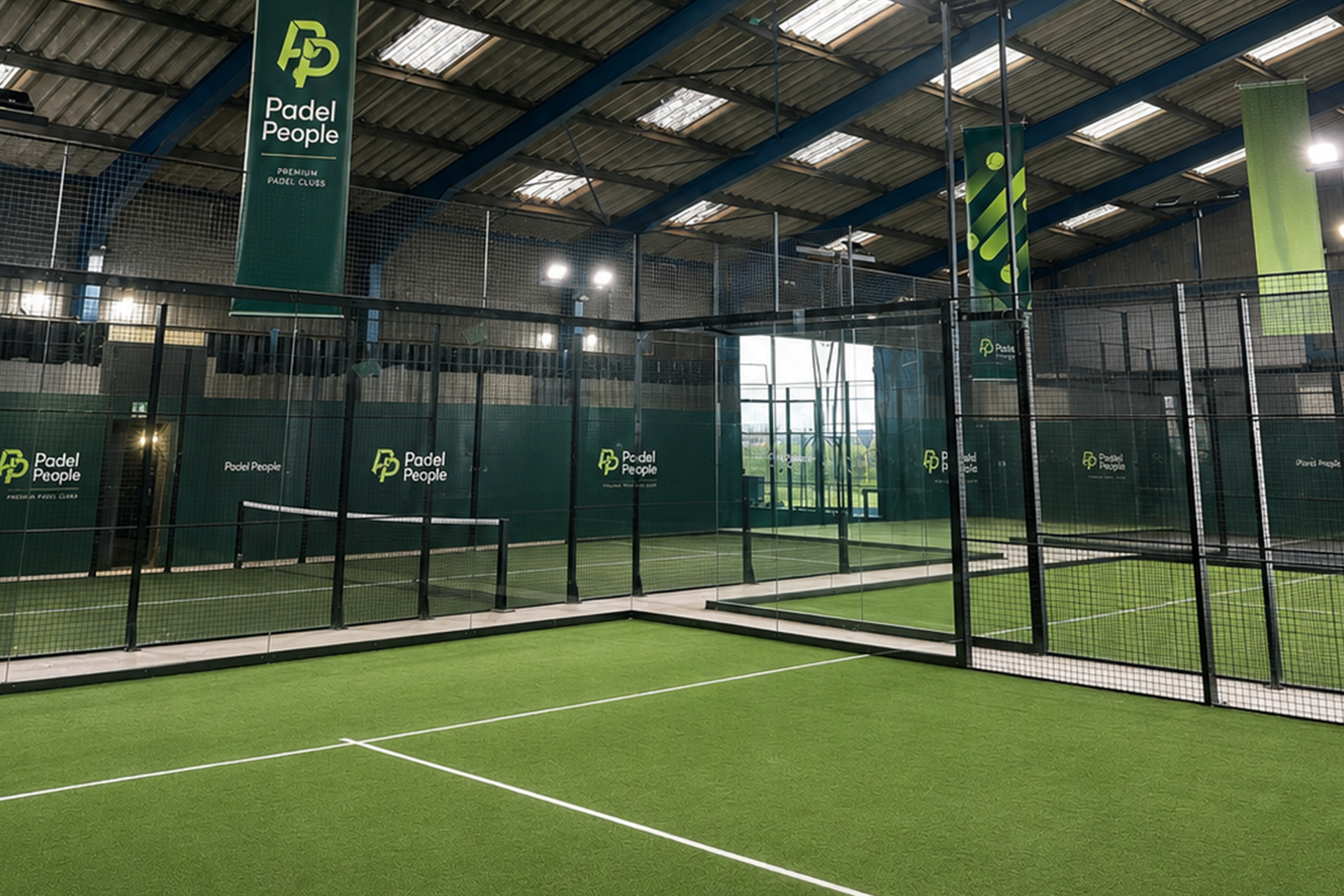
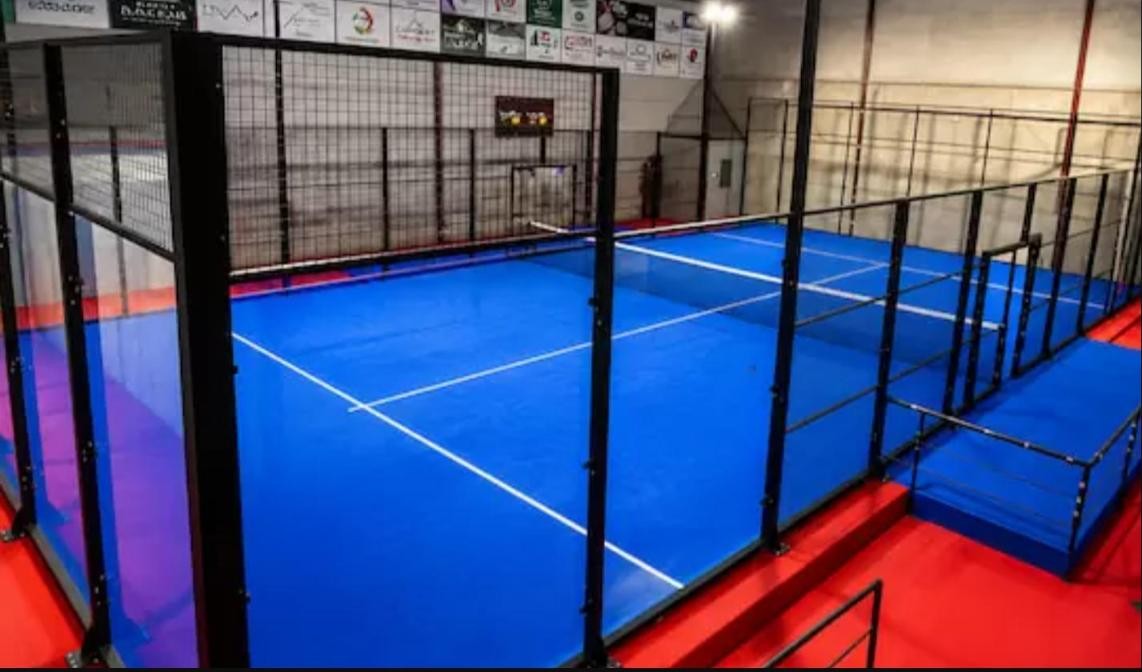
The playing surface of a modern padel court is almost always synthetic grass laid over a firm, level base. The turf is designed specifically for padel, with shorter fibres than a football pitch and, in most cases, a layer of silica sand that controls the bounce and the grip. It sits inside the glass walls and mesh, so it has to work together with the rest of the court construction.
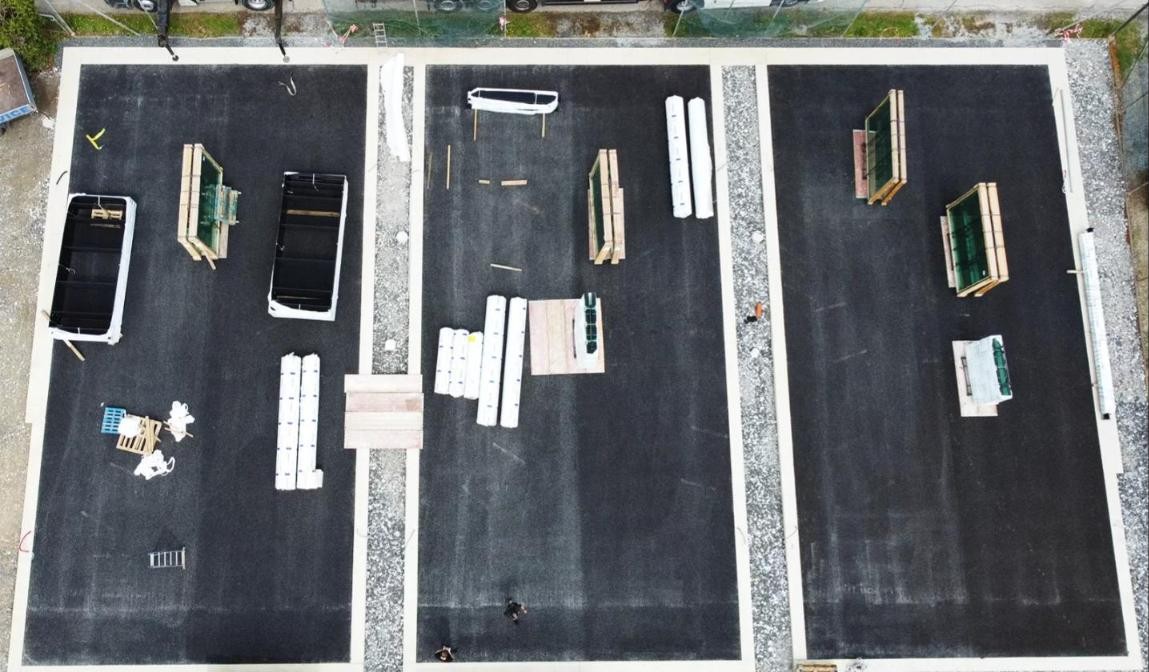
Under the turf there is usually a concrete slab. Outdoors, that base also needs falls and drainage so water leaves the court quickly. Indoors, the existing floor of the building is checked for level and strength before installation. A good surface on a poor base will never play well, which is why the base is the first thing we look at on any site.
Which types of padel court surfaces are there?
When people compare types of padel court surfaces, they are usually choosing between a few clear options. Each one changes the game slightly, and each has a different maintenance routine. These are the surfaces you will find most often in clubs and facilities:
- Sand-filled artificial turf. The most common choice, with silica sand infill between the fibres for consistent bounce and controlled grip.
- Textured or non-sand turf. Fibres designed to give grip without loose infill, so there is less sand to top up.
- Concrete. A hard, low-cost option seen on some older outdoor courts, but less forgiving for players.
- Resin or acrylic systems. Coated hard surfaces similar to some tennis court finishes, rarely used for new padel venues.
For clubs that want the playing feel players expect today, artificial turf is the standard, and it is the only surface we install at SportBS. It is also the surface used at professional level, from club tournaments to the international circuit, so the real decision is not whether to use turf but which type of turf to choose. Our padel court construction guide explains how the surface fits with the base, structure, glass and lighting.
Sand-filled vs non-sand turf, which is best?
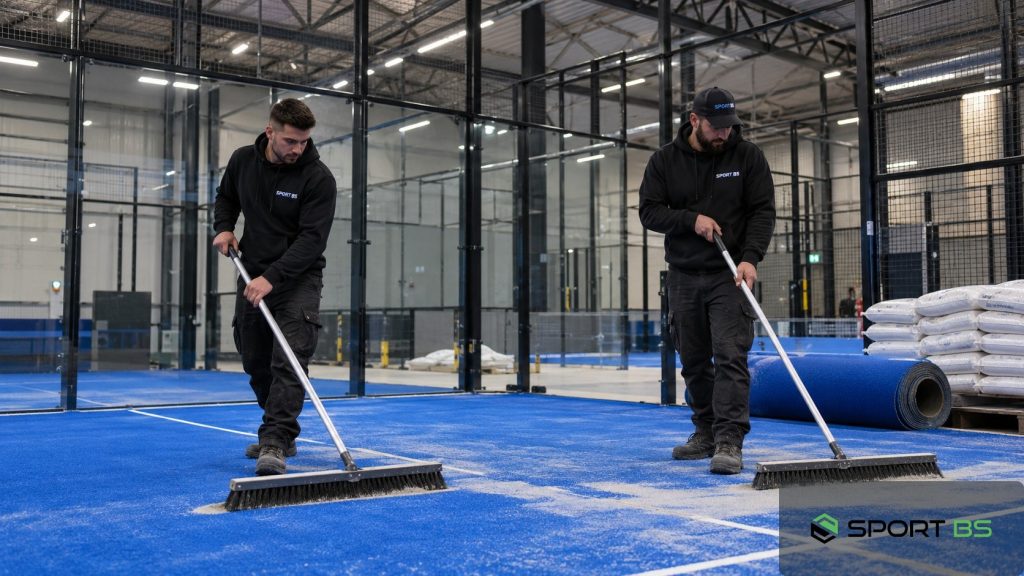
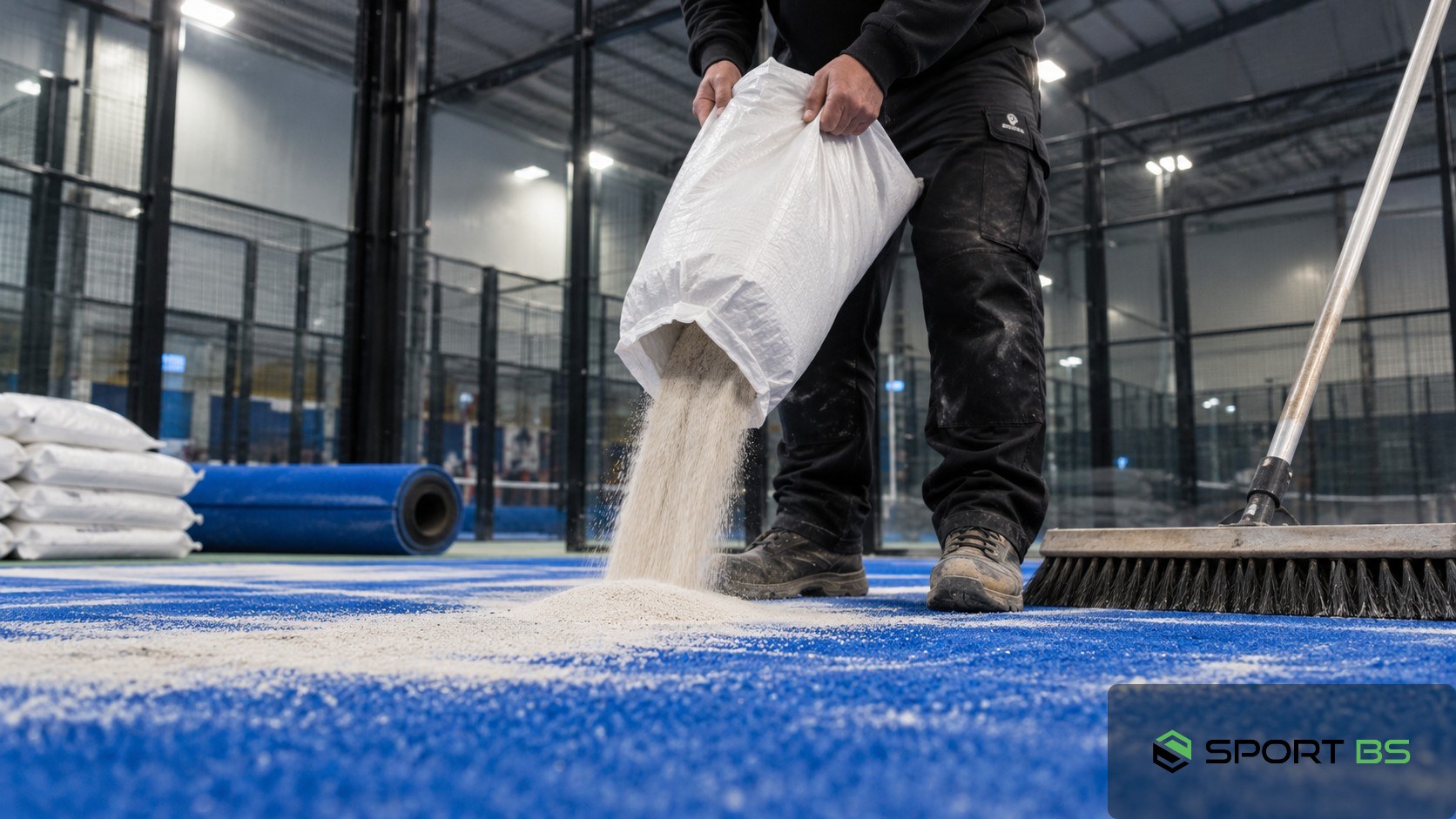
Sand-filled turf is the reference surface in most padel clubs. The silica sand keeps the fibres upright, gives players grip when they change direction and helps the ball bounce the same way across the whole court. It needs regular brushing to spread the sand evenly, and occasional top-ups in the areas that get the most use, such as the back of the court and the service boxes.
Non-sand turf uses textured fibres to provide grip without loose infill. It looks cleaner and needs less sand management, but it plays differently, and some players find it faster or less stable. The right surface depends on how the court will be used, the level of play and how much time the venue can give to maintenance. We can talk you through both options before you choose.
What grip and bounce should a padel surface give?
A good padel surface gives players enough grip to move and stop safely without feeling sticky, and a ball bounce that is consistent from one end of the court to the other. Too little sand makes the court slippery; too much makes the ball slow and the footing heavy. Getting this balance right is part of the installation, not something to fix afterwards.
Guidance from the LTA, which governs padel in Great Britain, and the International Padel Federation focuses on safe, consistent playing conditions. Our courts are designed in line with FIP requirements, and the turf we install comes from leading partners in the padel industry, so the surface performs as players expect at professional and club level alike.
Which surface works best for an outdoor padel court?
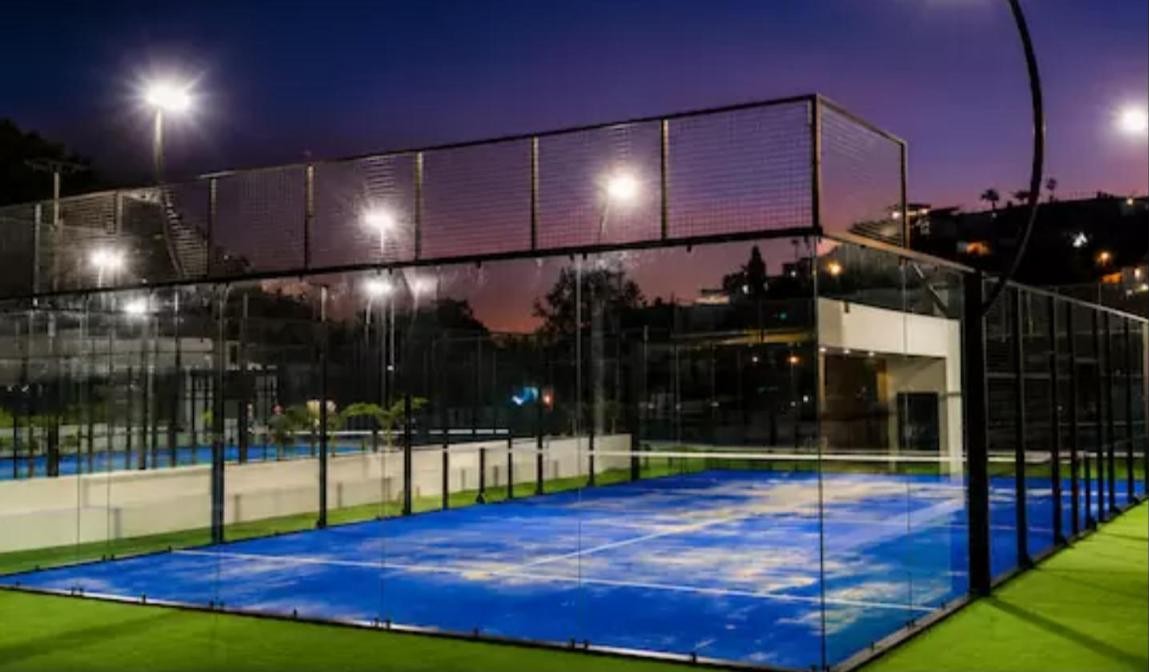
An outdoor padel court has to cope with rain, frost and leaves, so drainage matters as much as the turf itself. A porous turf system over a properly prepared concrete base lets water through and keeps the court playable after a shower. Sand-filled artificial turf is the most common choice outdoors, and a canopy or cover can be added for year-round play in the British weather.
For outdoor venues we usually recommend our Titan court with pillars, the most robust model in the range. Indoor courts have fewer surface challenges, but the turf colour, lighting and clear height still need planning. You can compare the options in our padel court portfolio.
How much does a padel court surface cost?
Many clubs ask about padel court surface material price before anything else, but the turf is only one part of the total cost of building a court. The type of turf, the infill, the base, the drainage and whether the court is indoor or outdoor all affect the final figure. Building two or more courts also lowers the average cost per court.
- Type of turf and fibre specification.
- Sand infill or non-sand system.
- Condition of the existing base or need for a new slab.
- Drainage for outdoor courts.
- Number of courts in the project.
We give a written quote per court and for the full project, with the surface specified clearly. Our guide on the cost of building a padel court in the UK explains every factor in more detail.
Why choose SportBS for your padel court surface?
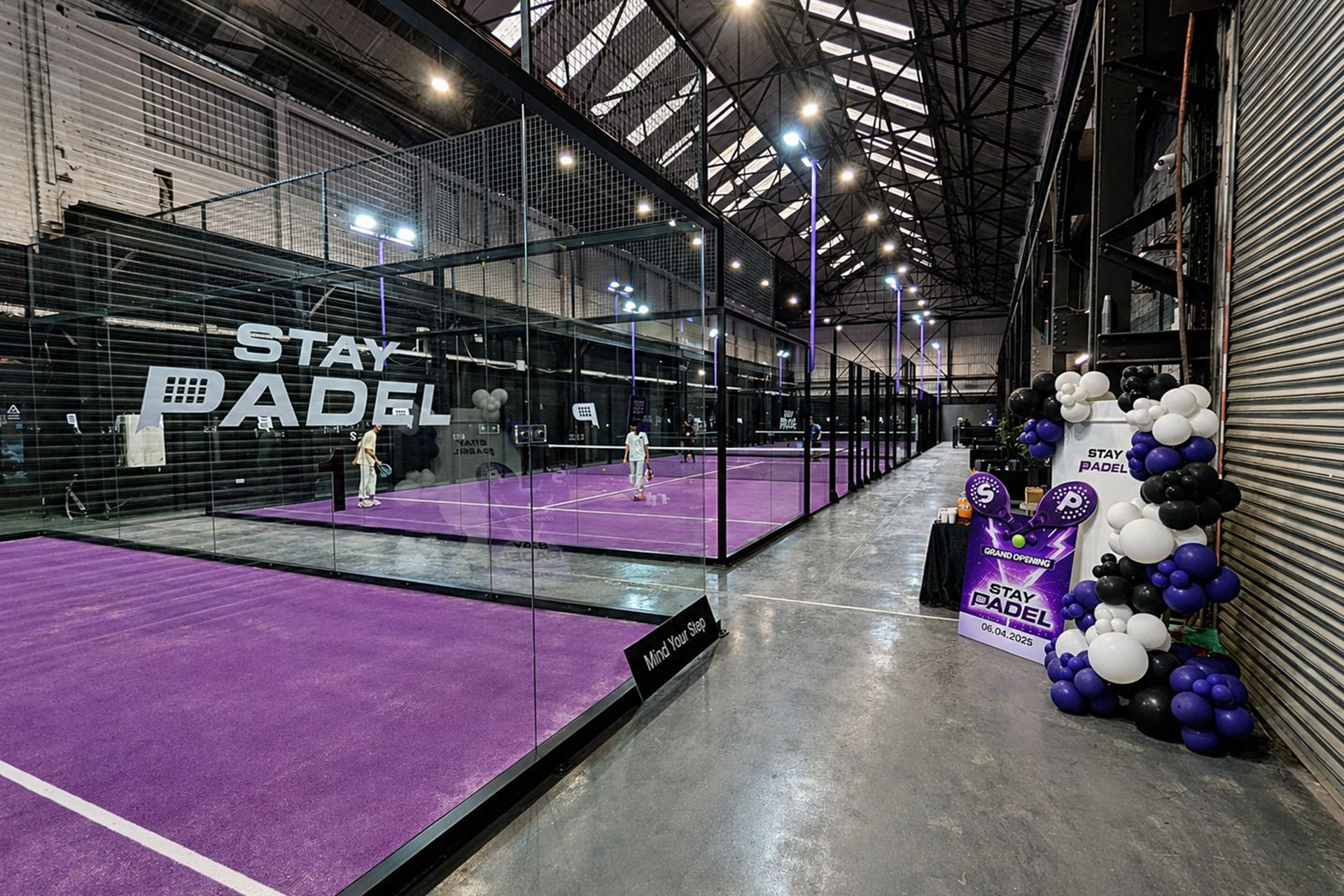
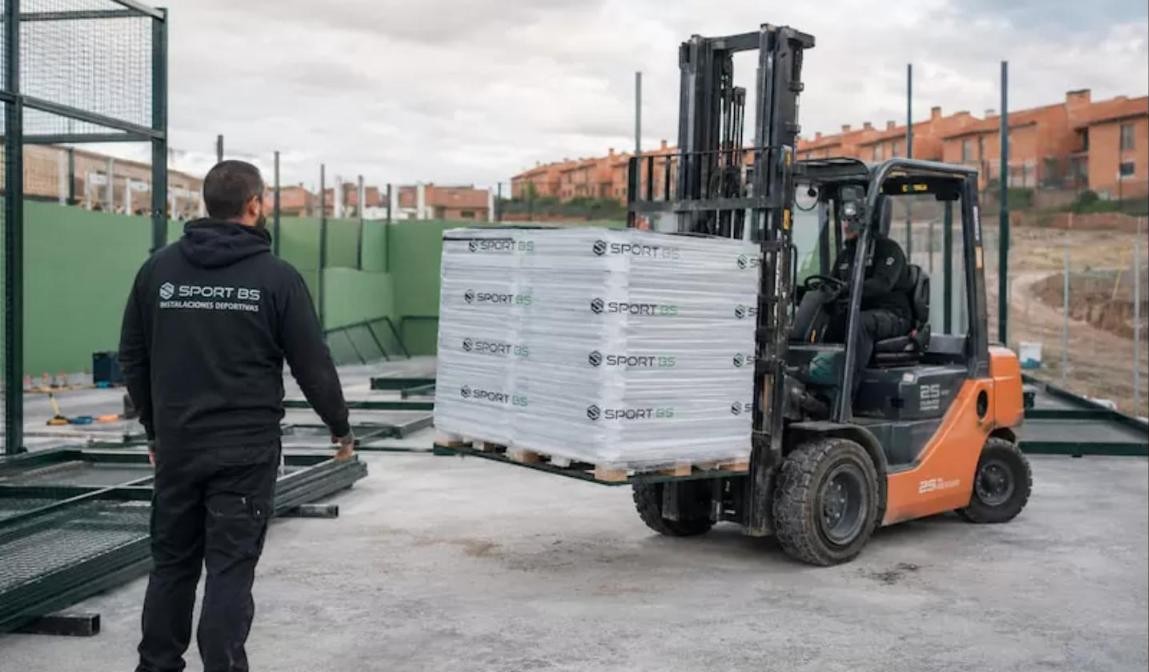
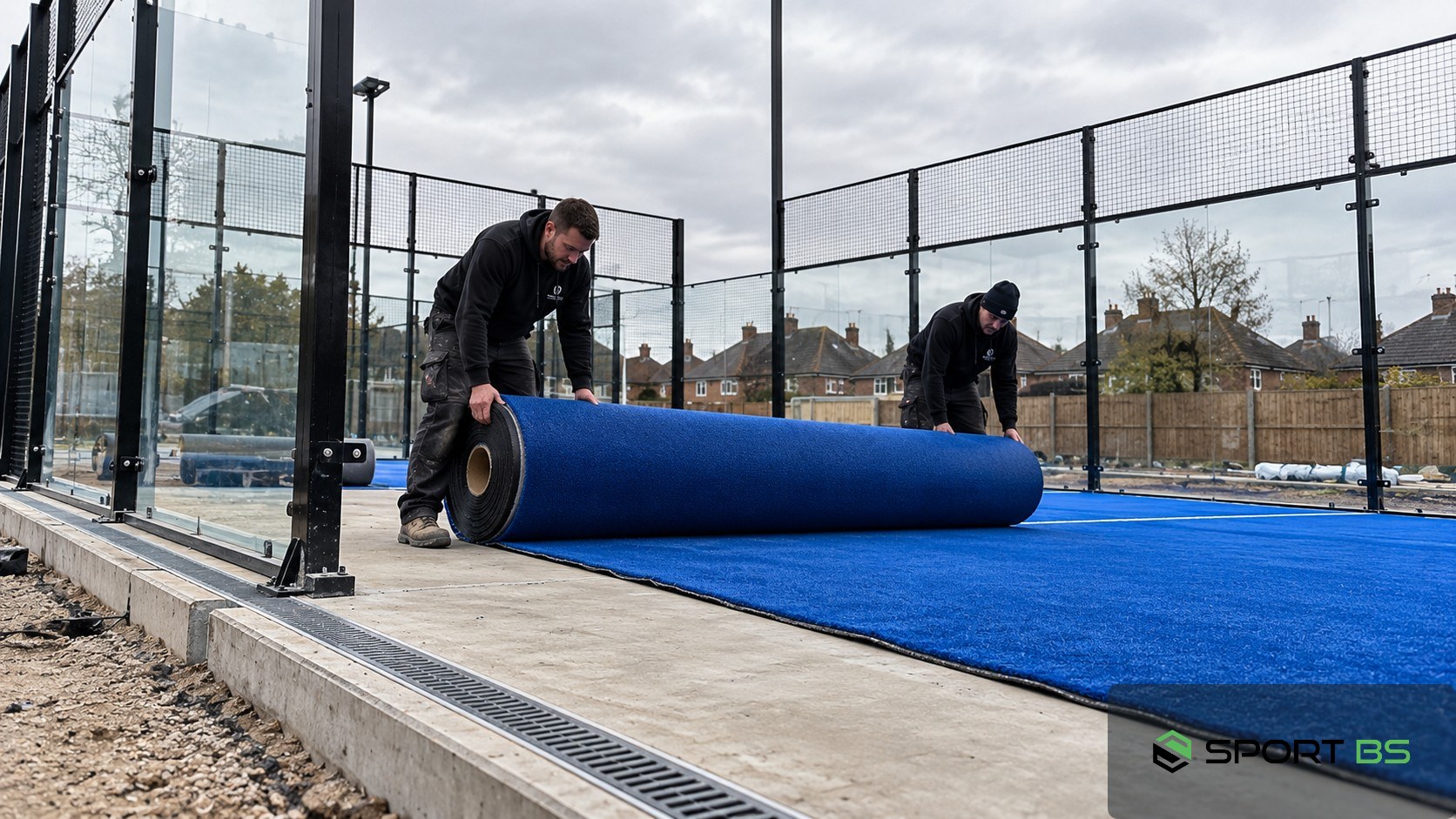
We install artificial turf on every court we build, because it is the surface professional players compete on and the one that gives consistent bounce, safe grip and a long service life. Choosing the right turf is easier when one team handles the whole build. SportBS has 22 years of experience building padel courts, and our own UK-based installers lay and tension the turf, spread the sand and connect the lighting, with no subcontractors. You also choose the turf colour, from classic green and blue to the purple and pink courts we have built in Manchester and Southwold.
Every court comes with a five-year warranty and a full compliance pack. See how we work on site in our padel court projects, from London to Edinburgh, or read about our padel court installer service.
Do you have more questions about padel court flooring?
These are some of the questions clubs, developers and private clients ask when comparing court surfaces. For anything else, read our padel court FAQs or find more articles on our padel court blog.
Can a tennis court surface be used for padel?
Not as it is. A tennis court surface is designed for a different ball, speed and footwork. However, an existing tennis court often has a solid base that can be reused, with new padel turf laid on top after we check the level and the drainage. It is a popular route for tennis clubs adding padel.
How long does padel turf last?
It depends on how many hours the court is booked and how well it is maintained. Regular brushing, keeping the sand level even and clearing debris all extend the life of the turf. We supply maintenance guidance and spare parts after handover, so the surface keeps performing for as long as possible.
Does the surface colour affect play?
Colour does not change how the court plays, but it does affect how well players see the ball. Blue and green are the most popular because they contrast well with yellow balls, while bolder colours can reflect a club identity. We help you choose a colour that works with your lighting and venue.
Ready to choose the right surface for your court?
Tell us whether your court will be indoor or outdoor, how many courts you are planning and where the site is in the UK. We will recommend the surface, send a free written quote and share projects similar to yours. Get in touch by phone, WhatsApp or the contact form, and we will reply directly.