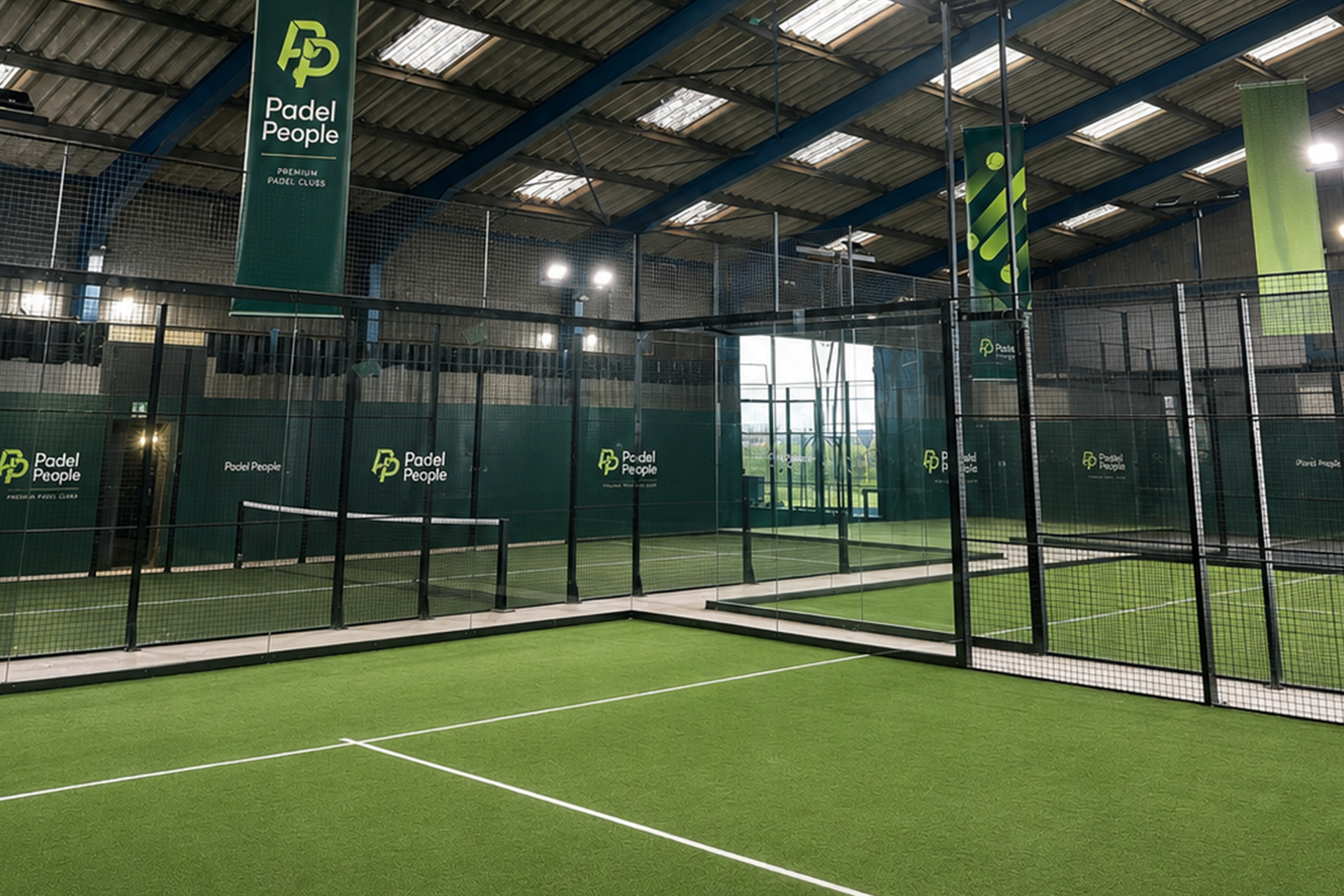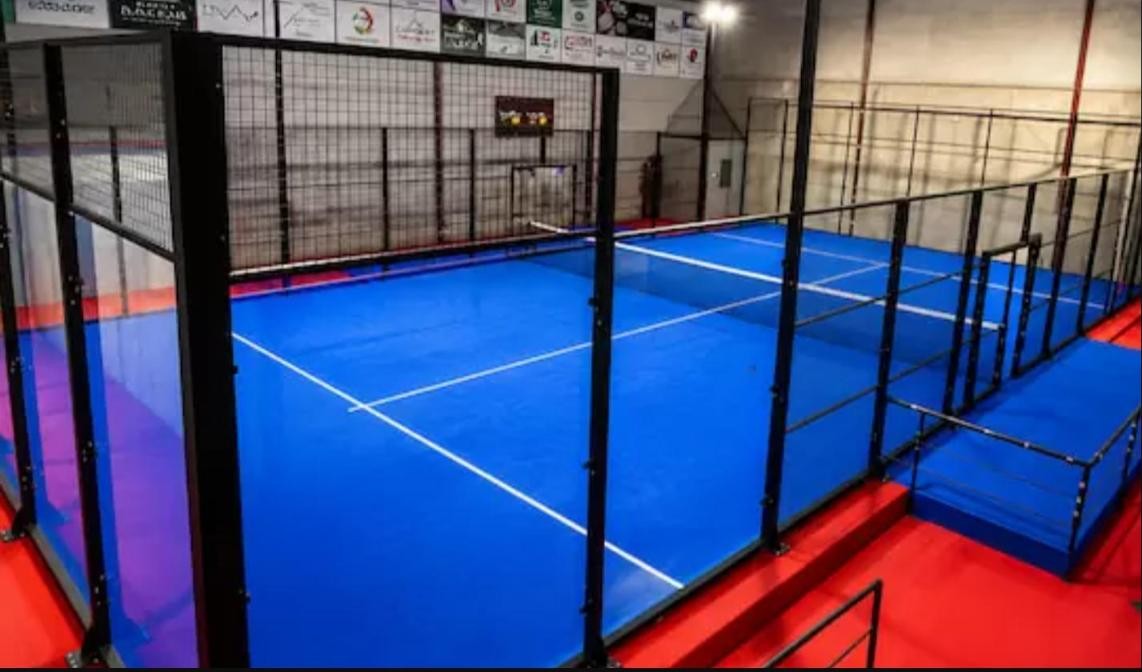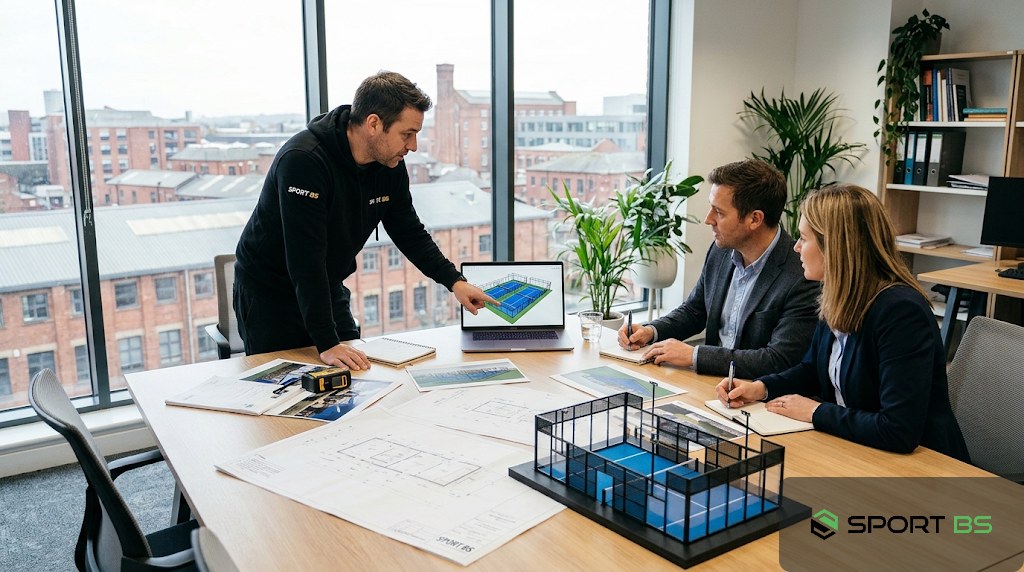
A padel club business plan is the document that turns an idea into a project you can fund, build and run. Padel is one of the fastest-growing sports in the UK, and demand for courts keeps growing in many local markets, but a successful club still needs the right site, the right number of courts and realistic numbers behind it. This guide explains what to include in your plan, how to open a padel facility step by step and which business model fits your project.
What should a padel club business plan include?
A strong business plan for padel answers the questions any bank, investor or landlord will ask. Where is the club, who will play there, how much will it cost to build and how will it make money over time? Keeping the plan clear and based on real figures makes it easier to get funding and to make good decisions during construction.
Most plans include these key sections:
- Market and location. Local demand, nearby clubs, population and access by car and public transport.
- Site. Land or building, lease or ownership, clear height and planning permission.
- Facility design. Number of courts, indoor or outdoor, lighting and extra services.
- Revenue model. Pricing, bookings, coaching, memberships and events.
- Costs. Construction, fit-out, staff, rent, energy and maintenance.
- Financial plan. Investment, funding, cash flow and break-even point.
- Marketing and management. How you will attract players and keep courts busy.
Each section depends on the others, so it pays to start with the site and the courts, because they decide most of the costs.
How do you open a padel facility step by step?
Opening a padel facility follows a clear sequence. The order matters, because a decision made too early, such as signing a lease before checking the clear height, can create problems later. These are the steps most successful clubs follow.
Step 1. Study the local market
Start by understanding demand in your area. Look at existing tennis and padel clubs, how busy their courts are at peak times and which customer groups are not yet served, such as juniors, beginners or corporate players. Talking to local players and coaches often tells you more than any report, and the LTA, which governs padel tennis in Great Britain, also publishes guidance for venues planning new courts.
Step 2. Secure the right site
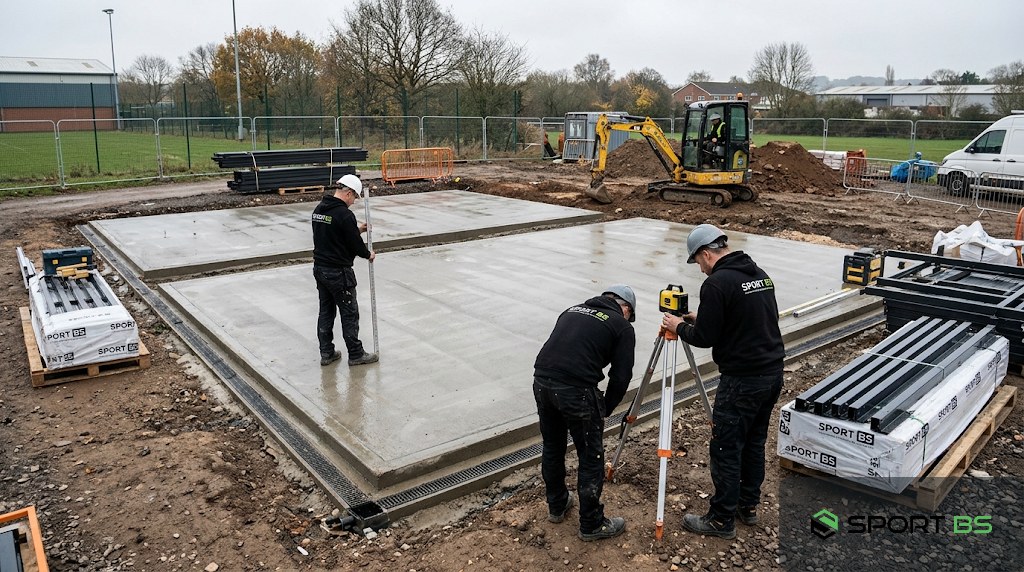
Indoor courts need a building with enough clear height, which the FIP sets at a minimum of 6 metres above the playing area and ideally 8, plus access for the glass and a slab that can take the structure. Outdoor courts need suitable land, drainage and space for a canopy if you want year-round play. Check planning permission with the local authority early.
Step 3. Decide how many courts to build
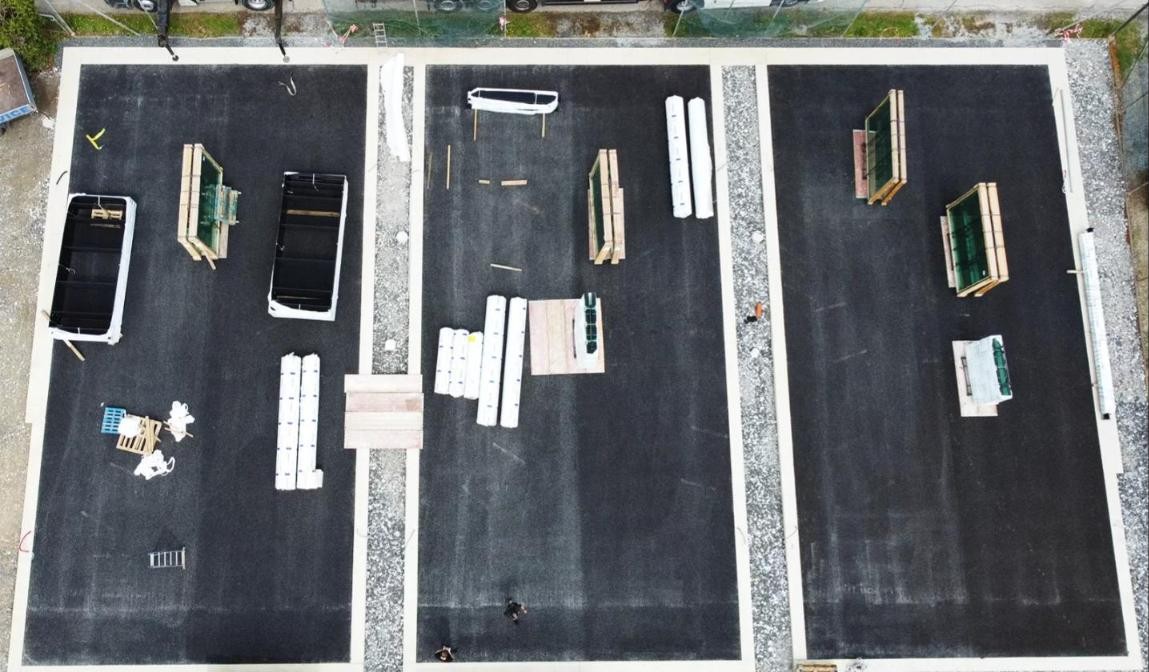
The number of courts shapes the whole business. One or two courts can work inside an existing tennis club, gym or hotel. A standalone club usually needs more courts to cover fixed costs and run coaching, leagues and open play at the same time. Building several courts at once also lowers the average cost per court.
Step 4. Build the financial model
With the site and courts defined, you can calculate revenue and costs. A simple model multiplies courts by opening hours, occupancy and the average price per hour, then adds coaching, memberships and events, and subtracts operating costs. This gives you income per court, per year and a realistic break-even point.
Step 5. Arrange funding
Most padel projects combine several sources of finance, such as the owners’ capital, business loans, private investors or partnerships with an existing sports venue. Lenders will want to see a written construction quote and a clear plan, so getting accurate court prices early helps.
Step 6. Build, market and open
Once funding is in place, the courts are built and installed, the booking system is set up and marketing starts before opening day. Pre-launch memberships, open days and social media, including short videos on Instagram or YouTube, help create a community before the first game is played.
Which padel business model fits your project?
There is more than one way to set up a padel court business, and the right model depends on your site, budget and experience. Comparing the options side by side helps you choose before you commit to a long-term lease or investment.
Standalone padel club
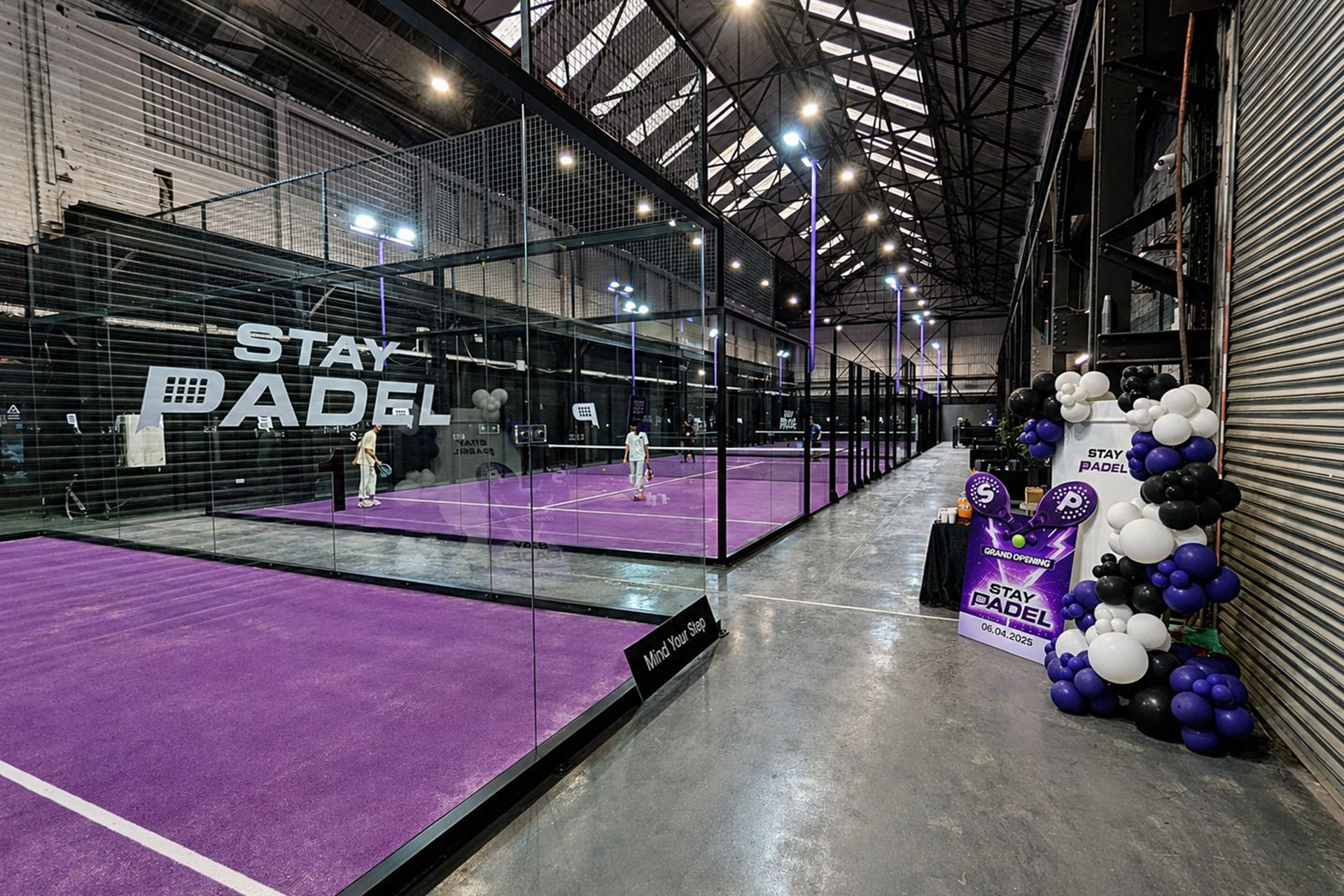
A dedicated padel venue, usually indoor with several courts, a reception and sometimes a café or shop. It gives you full control of the brand and the customer experience, and it can grow strong memberships and events. The downside is higher fixed costs, so it needs more courts and good occupancy from the start.
Padel courts added to an existing venue
Tennis clubs, leisure centres, gyms, hotels and holiday parks often add one to four courts to an existing facility. Staff, parking and customers are already in place, so the investment is lower and the courts start earning sooner. The limit is space, and courts must fit around the main business.
Independent club or franchise
Some operators join a franchise or brand network to get support with marketing, systems and management. Others prefer to stay independent and keep all the income. Both can work; the key is to compare the fees and obligations against the help you actually need.
Whichever model you choose, the courts are the core asset of the business. You can compare our Titan, Dream and Elite models in the padel court portfolio to see which one fits your venue and budget.
What revenue streams should a padel court business plan include?
In any padel court business plan in the UK, court hire is the main source of income, but the most successful clubs build several revenue streams so they do not depend on bookings alone. Each one should appear in your business plan with its own assumptions.
- Court bookings, with peak and off-peak pricing.
- Coaching, including junior programmes and adult clinics.
- Memberships that offer priority booking or lower rates.
- Leagues, tournaments and corporate events.
- Equipment hire, a shop or food and drink.
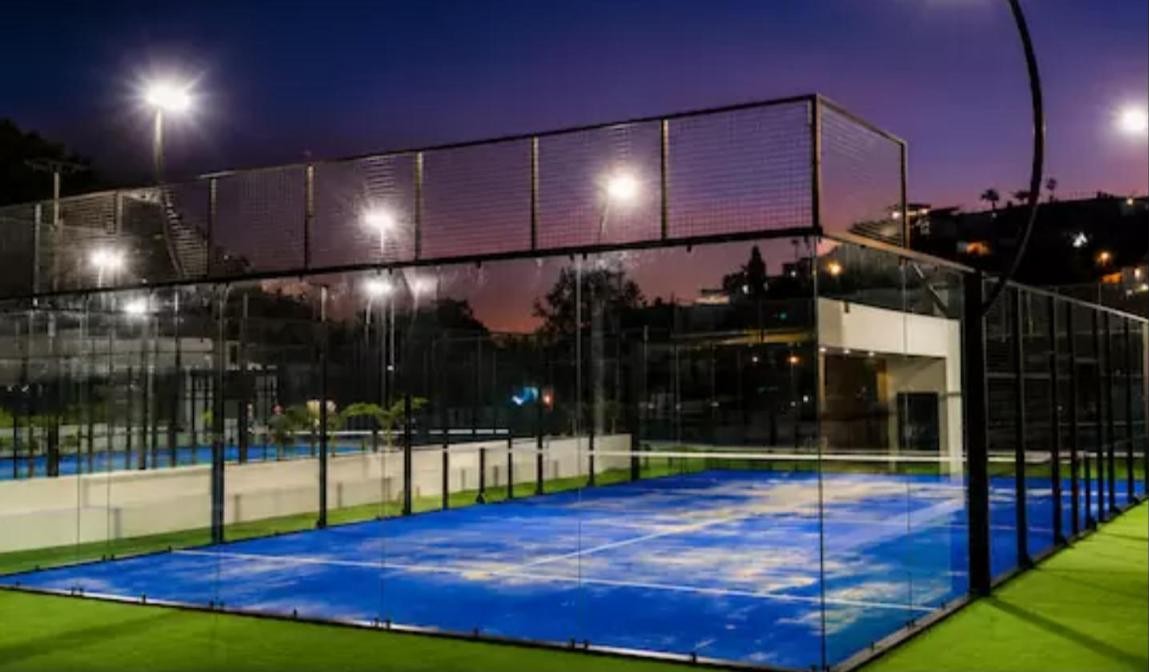
Good LED lighting is one of the biggest drivers of revenue, because it opens the busiest evening hours, especially in the UK winter. Indoor or covered courts also protect bookings from the weather.
What costs should you plan for?
Costs fall into two groups. The first is the initial investment: the courts, groundworks or building fit-out, lighting, reception and changing areas. The second is operating costs: rent or land, staff, energy, insurance, booking software, marketing and maintenance. Both need to be included in your plan from the first draft.
The court construction cost depends on whether the courts are indoor or outdoor, the model, the glass, turf and lighting specification, the condition of the site and the number of courts. Our guide on the cost of building a padel court in the UK explains each factor, and we provide a written quote per court and for the full project that you can put straight into your financial plan.
How can SportBS help with your padel club project?
SportBS has 22 years of experience building padel courts and works with clubs, developers, leisure operators and private clients across the UK. We do not write your business plan for you, but we give you the numbers and documents it needs to be credible with lenders and investors.
- A written quote per court and for the full project.
- A compliance pack with CE marking, ISO 9001 and ISO 14001, CEMO homologation and FIP-compliant design.
- Technical data for planning permission, including dimensions, structure height and lighting.
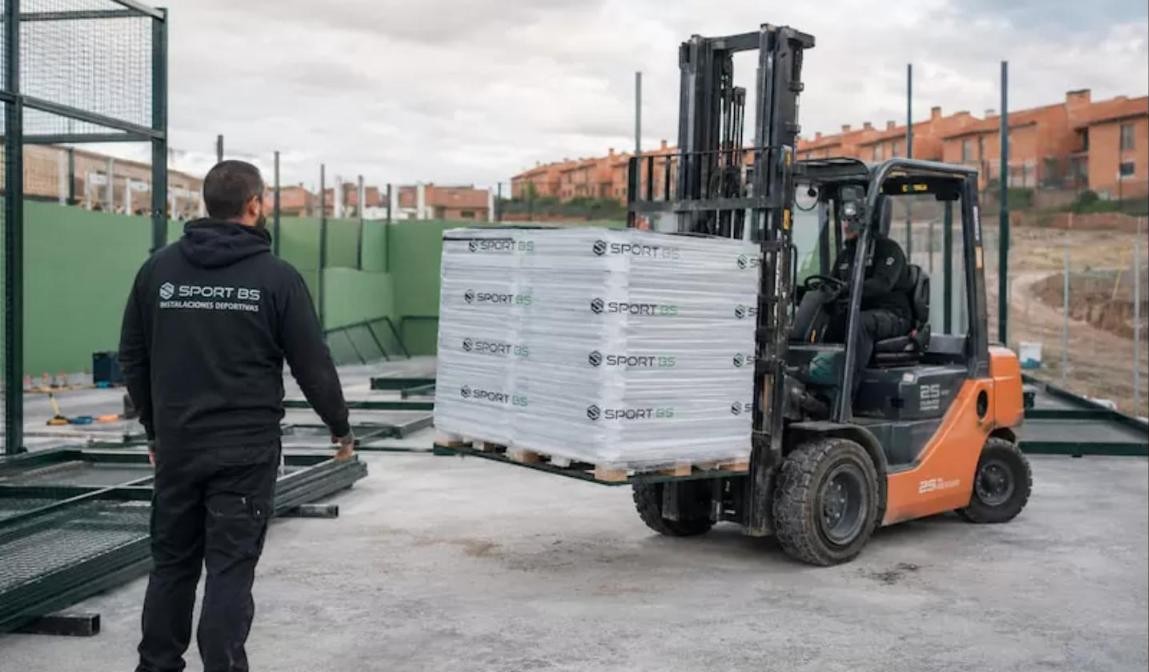
- Installation by our own UK-based team, with no subcontractors.
- A five-year warranty and technical support after handover.
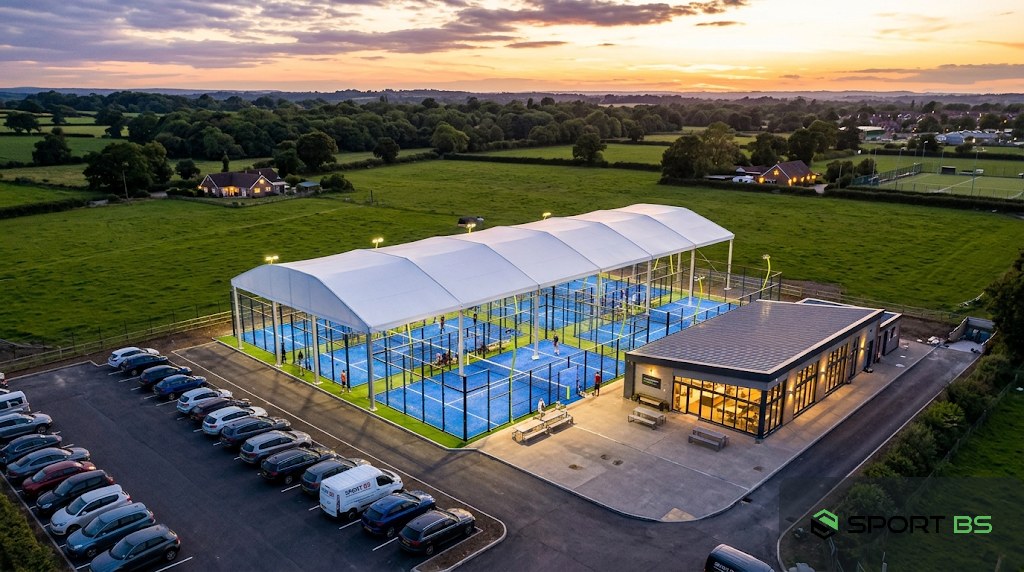
You can see how other venues were built in our padel court projects, from multi-court indoor facilities in Manchester and Hull to custom courts in Southwold, and read more about our padel court installer service.
Do you have more questions about starting a padel business?
These are some of the questions we are asked most often by people planning to open a padel club. For more answers, read our padel court FAQs or discover other guides on our padel court blog.
How much does it cost to start a padel court business?
It depends on the site, the number of courts, whether they are indoor or outdoor, and the fit-out around them. The courts are usually the largest single investment, so getting a written quote early gives your business plan a solid base and helps when you speak to lenders.
What is the best way to fund a padel club?
Most clubs combine their own capital with business loans, private investors or a partnership with an existing venue. Lenders look for a clear location, realistic occupancy and pricing assumptions, and accurate construction costs, so the more detail your plan includes, the stronger your application will be.
Is a padel business profitable?
It can be, when demand, location, number of courts and management are right. Clubs with good lighting, several revenue streams and controlled fixed costs reach their break-even point sooner. The quality of the courts also matters, because players return to venues where the court plays well.
Ready to turn your padel club plan into a project?
Tell us about your site, how many courts you are planning, whether they will be indoor or outdoor and where the venue is in the UK. We will send a free written quote, the compliance pack and examples of projects close to yours, so your padel club business plan is built on real figures. Contact us by phone, WhatsApp or the form, and our team will reply directly.